
 I post this full opinion from the able USDC Judge Lynn Adelman, in Milwaukee not because it is in any manner surprising, but rather because the Powerline boys, and Hinderaker in particular, said this day would never arrive. He said so, in writing repeatedly, as a “trial lawyer” — with 41 jury trials under his belt. Hilarious.
He said that Kyle would escape on a motion to dismiss, in any civil action. That turns out NOT to be the law, boys. And in such federal § 1983 civil suits, a plaintiff surviving the motion to dismiss… is a very big win, indeed.
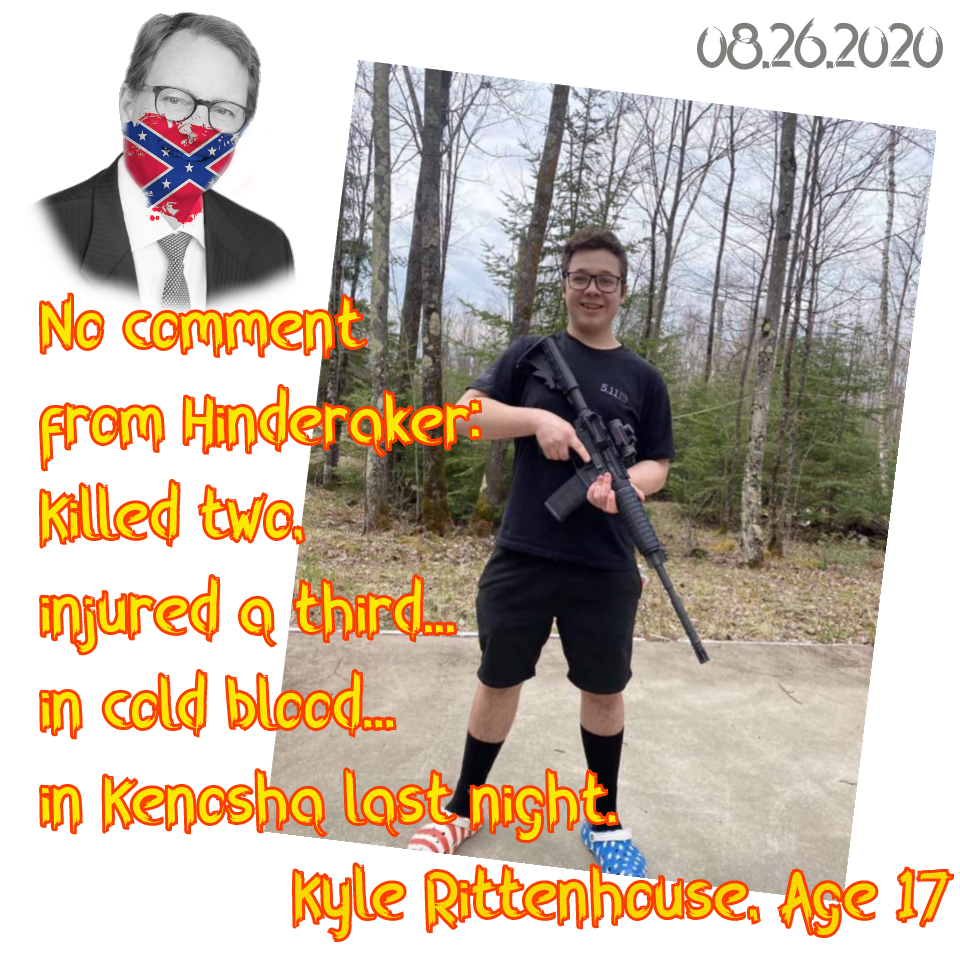 It means Kyle must testify at a deposition — under oath — about whether officers gave him special treatment [water bottles, safe passage (despite not lawfully being in possession of that AR-15, and violating curfew) and called him a “friendly” — as well as allegedly having herded the protesters into his “kill box”, specifically constructed to give the armed vigilantes what they wanted — a confrontation in which they could fire on what they claimed were “antifa” activists]. In sum, he will have to perjure himself to have any hope of being held not liable.
Kyle is, of course, now a young man of very limited means — but between the additional municipal defendants and the Sheriff, as well as the coming joint and several liability orders… anything Kyle ever earns… will now likely go into the dead man’s estate / and thus, the family’s ultimate control.
And no, that will not bring Mr. Huber him back — but it is some justice, in a town where the local county judge ran a circus / a criminal farce, openly trying himself, to engineer an acquittal for Kyle.
This — the federal suit, will be the lasting historical mark, though — Kyle will ultimately be hounded by judgment creditors… forever. To the tune of millions of dollars.
Cheers, boys (this includes the wrong-headed and now cantankerous old… Eric Zorn):
…On the federal claims, Rittenhouse’s principal argument is that, as a private citizen, he was not acting under color of law for purposes of liability under 42 U.S.C. § 1983.
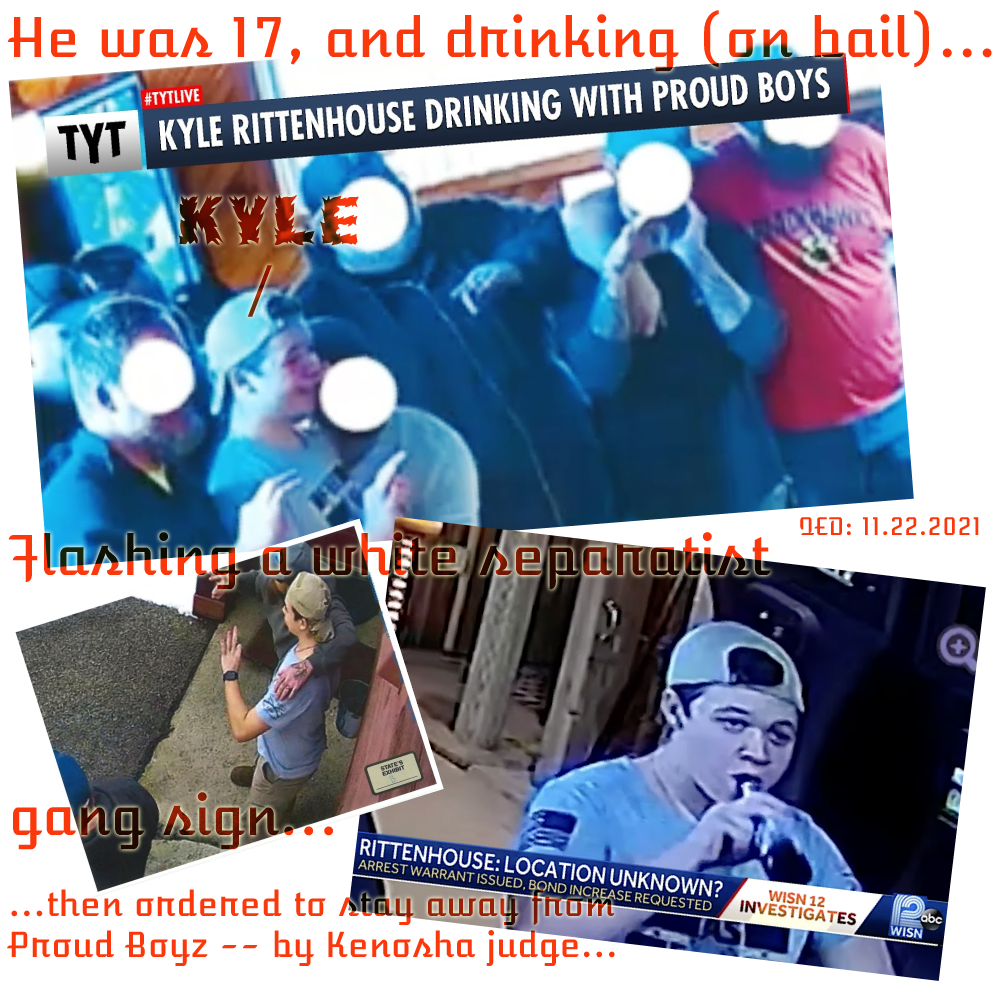 However, as discussed above, the complaint alleges that the police and armed individuals had entered into a conspiracy to funnel protestors into a confined area, at which point the armed individuals would “deal with” the protestors by using force. As explained above, this conspiracy, if it existed, would have deprived the funneled protestors, including Huber, of their rights under the Equal Protection Clause and the First Amendment. If Rittenhouse were a part of this conspiracy, he would face liability under § 1983. Spiegel v. McClintic, 916 F.3d 611, 616 (7th Cir. 2019) (private citizen can act under color of law if there is “evidence of a concerted effort between a state actor and that individual”).
Here Rittenhouse claims that the complaint does not adequately plead that he was part of any such conspiracy. But, as discussed above, the conspiracy involving law enforcement and the armed individuals is adequately pleaded. Moreover, because the complaint alleges that Rittenhouse was one of the armed individuals (Am. Compl. ¶¶ 3–5), and that the violence he perpetrated was part of the plan to harm protestors (id. ¶¶ 94–95, 97), the complaint adequately pleads that Rittenhouse was part of this conspiracy.
Rittenhouse argues that he shot Huber because Huber attempted to disarm him, not because of any plan to deprive protestors of their constitutional rights. However, the complaint pleads that the violence perpetrated by Rittenhouse was part of the conspiracy….
Smoke… that.
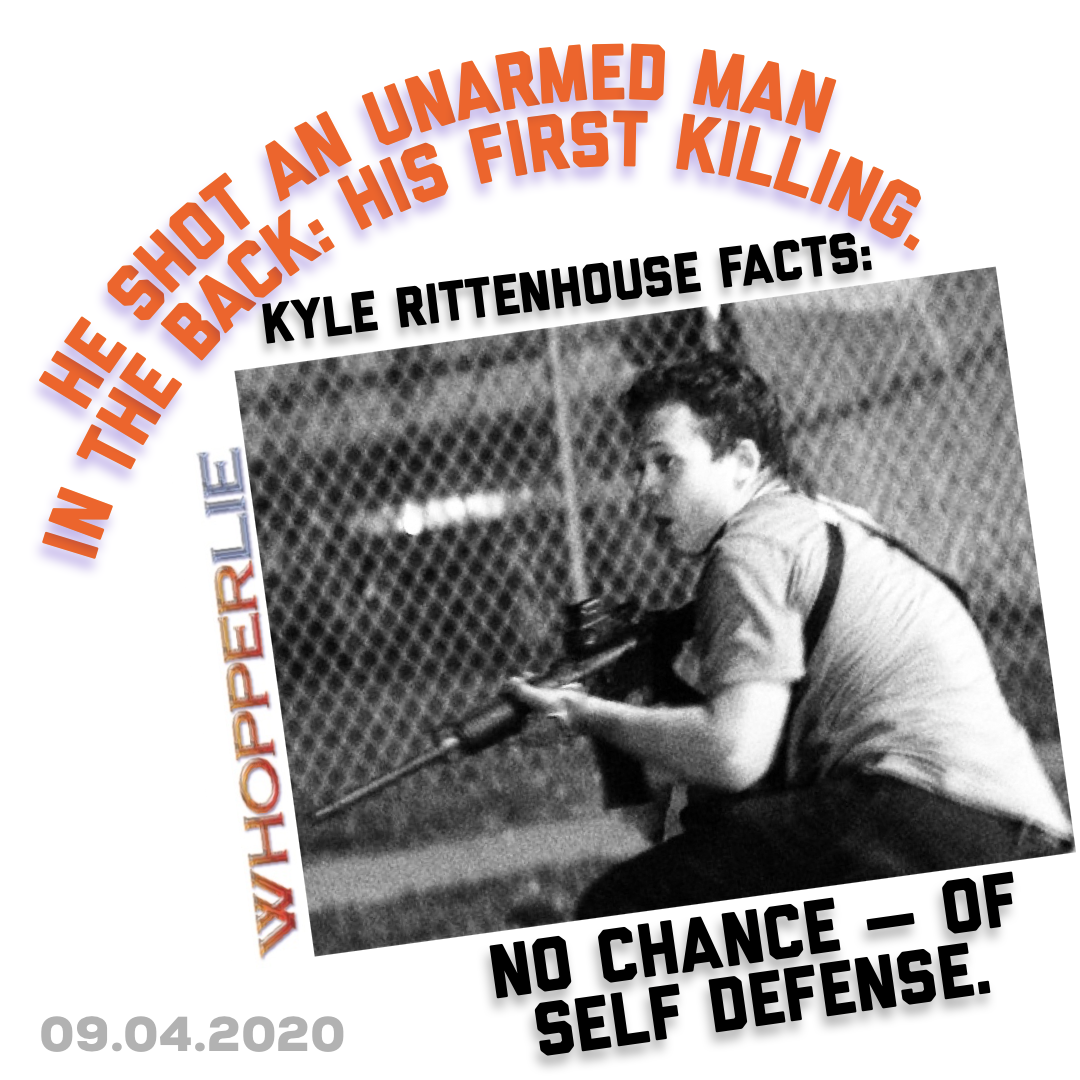
 Powerline Lies...